Written by
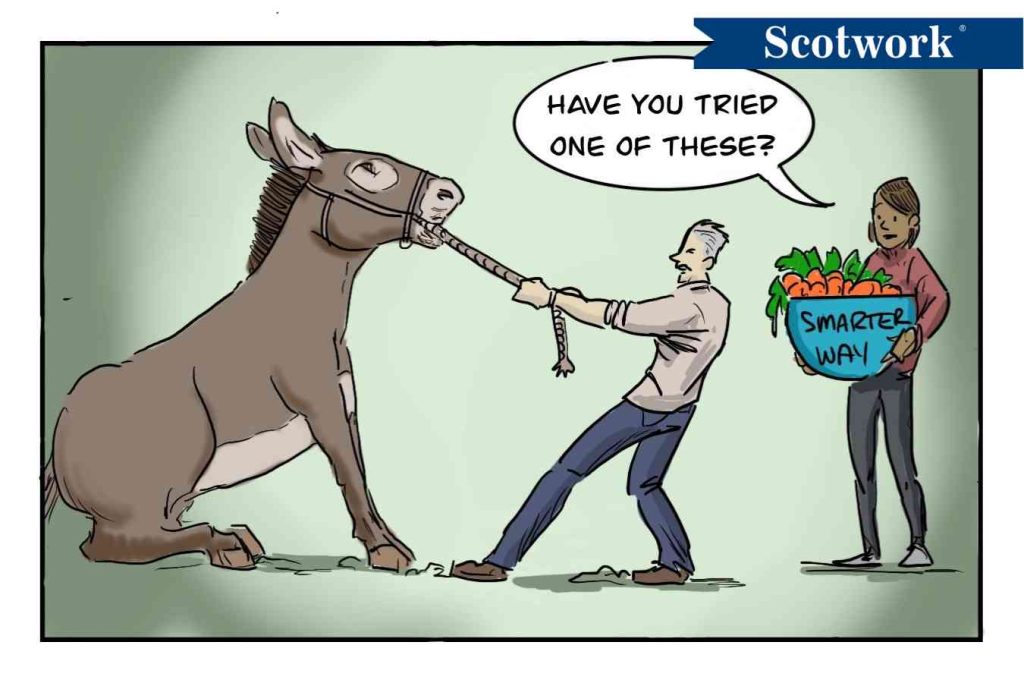
When I stepped into procurement, I thought I had a pretty good handle on negotiation. I knew how to challenge the ask. When suppliers came in, asking for a price increase, tougher terms, or longer commitments, I did what I thought strong negotiators were supposed to do: I pushed back. It wasn’t until after a few deals stalled that I started to see I wasn’t protecting value as much as my position.
What surprised me was how common that instinct is. When negotiators hear an ask they don’t like, we contest it, reduce it, or make it go away entirely. In practice, that reaction often does the opposite of what we intend: It hardens positions and turns a workable negotiation into a standoff.
Fighting the ask is like trying to get traction on LinkedIn without following the rules of the platform. Platforms know what works for them. People who try to force results without understanding the system get frustrated. Algorithms don’t respond to effort alone. They respond to consistency, timing, and clear signals.
Sometimes, a negotiation works the same way: The other party’s ask functions like an algorithm. It shapes the conversation. You can spend your time resisting it, or you can design your approach around it.
In my experience, most deals stall because someone treats the other side’s request as something that must be defeated. A more effective approach is using the ask to move the negotiation forward. The best negotiators use the other side’s ask to consider “How do I shape the deal into something that works for both sides?”
What this looks like in practice . . .
On the procurement side: A supplier comes in asking for a price increase. The skilled negotiator can agree because they also trade for longer price stability, better payment terms, or stronger service levels — whatever is going to bring value to the deal. The ask isn’t deflated; it’s traded for.
On the sales side: The buyer asks for a discount. The default response is objection and persuasion. The skilled negotiator opens the door to trading additional volume, longer contract length, or changes in timing.
When I look back at my deals that moved forward, I identify 3 patterns . . .
- Deals move forward when one side uses the other side’s ask instead of blocking it.
- Resistance is replaced with conditions of agreement.
- Trading protects the whole deal rather than getting stuck on a single issue or position (like price or discounts).
Forward momentum came from finding a smarter “yes.”
A smarter counterproposal isn’t about giving in but about creating movement when resistance would only create friction. In a world where most deals stall because of defensiveness, that shift can make a deal go viral on both sides.
Negotiation Training and Consulting to Help You Use the Ask to Your Best Advantage.
In a world where most deals stall because of defensiveness, Scotwork can help you find your forward momentum via a smarter “yes.”