Written by
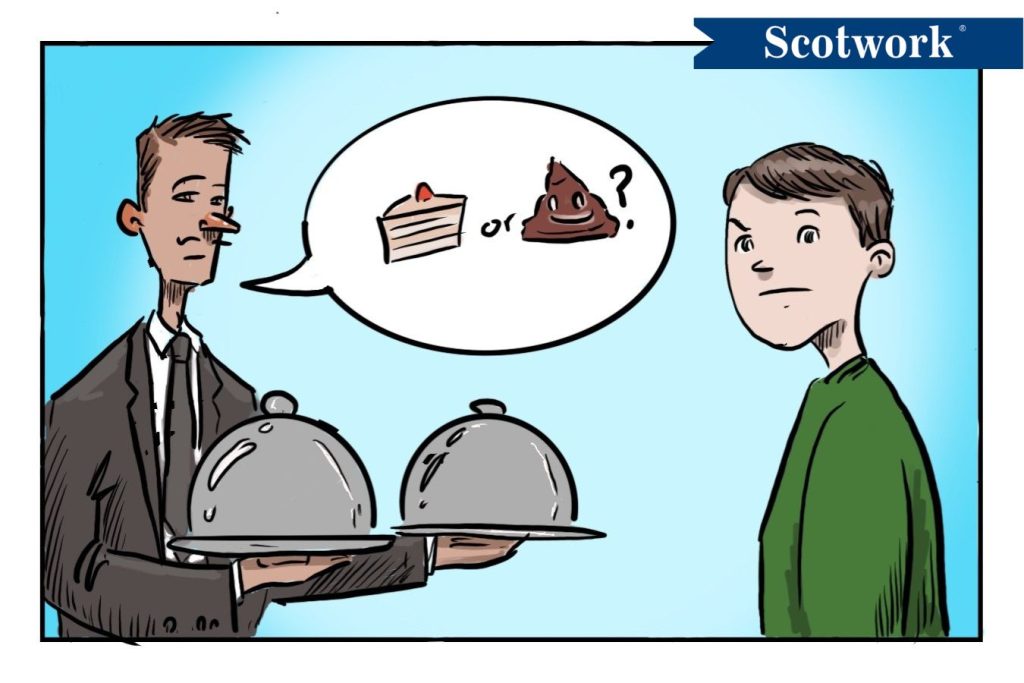
Late-stage negotiations are often defined by tension. The broad contours of the deal are clear. The economics are understood. Each side knows roughly where the other stands. Still, progress can stall.
I recently worked with a client facing exactly this situation in the final round of negotiations with multiple vendors. Earlier talks had been productive, but movement slowed as the negotiations approached their conclusion. My client did what many in their position do, from dangling more carrots to signaling that vendors risked losing future business.
Nothing moved. The problem wasn’t leverage; it was structure.
Up to that point, my client had told the vendors that improvement was required, but hadn’t defined by how much. The idea was to allow flexibility and see how far each vendor was willing to go.
This strategy can work in early rounds, when information is still being gathered and positions are fluid. In later stages, however, ambiguity and flexibility create conservative responses. Rather than asking the vendors to determine how much to concede at this stage, we guided our client to present two clearly defined options.
Option 1: The vendors could secure increased volume if they met a more aggressive cost target.
Option 2: They could maintain a higher price point but accept reduced volume.
The shift was immediate. While the underlying trade-off had been implied in earlier conversations, the choice was now specific. Each option included precise thresholds and clearly defined volume commitments.
The vendors began comparing alternatives. The conversation moved away from defending existing positions and toward evaluating the choices presented. Concessions that had previously been incremental became substantial.
This dynamic is consistent with well-established research in behavioral psychology. Sheena Iyengar and Mark Lepper’s work on the paradox of choice suggests that while individuals value having options, an abundance of choices can lead to decision paralysis.
When a negotiator presents two or three defined paths, the cognitive burden shifts. The question is no longer, “How much am I being asked to give up?” Instead, it becomes, “Which of these outcomes better serves my interests?” The reframing transforms concession into selection. It restores a sense of agency while simultaneously directing movement.
This approach to choice is not about manipulation. It’s about clarity. Here are some tips for doing this effectively. . .
- Replace open-ended pressure with defined alternatives. General appeals for improvement often trigger defensiveness. Clearly articulated options invite evaluation.
- Make the trade-offs explicit. Every negotiation involves an exchange. When the variables are clearly linked, the other side can assess value more rationally and less emotionally.
- Limit the number of options. Two is often sufficient. Three can be workable. Beyond that, more choices undermine the clarity that structure is meant to provide.
- Ensure that each option is genuinely viable. If only one outcome works for you, presenting two is simply an ultimatum in disguise. Credibility depends on being prepared to honor whichever option the other party selects.
- Communicate the options in a way that preserves autonomy. Framing matters. Present the alternatives as collaborative paths forward.
As our client discovered, in the final stages of a deal, progress rarely comes from applying additional pressure alone. More often, it comes from clarifying the path forward and making the next move easier to choose.
Negotiation Training and Consulting to Help Clarify the Path Forward.
Rely on Scotwork’s expertise to make the final stages of your deal work for you.