Written by
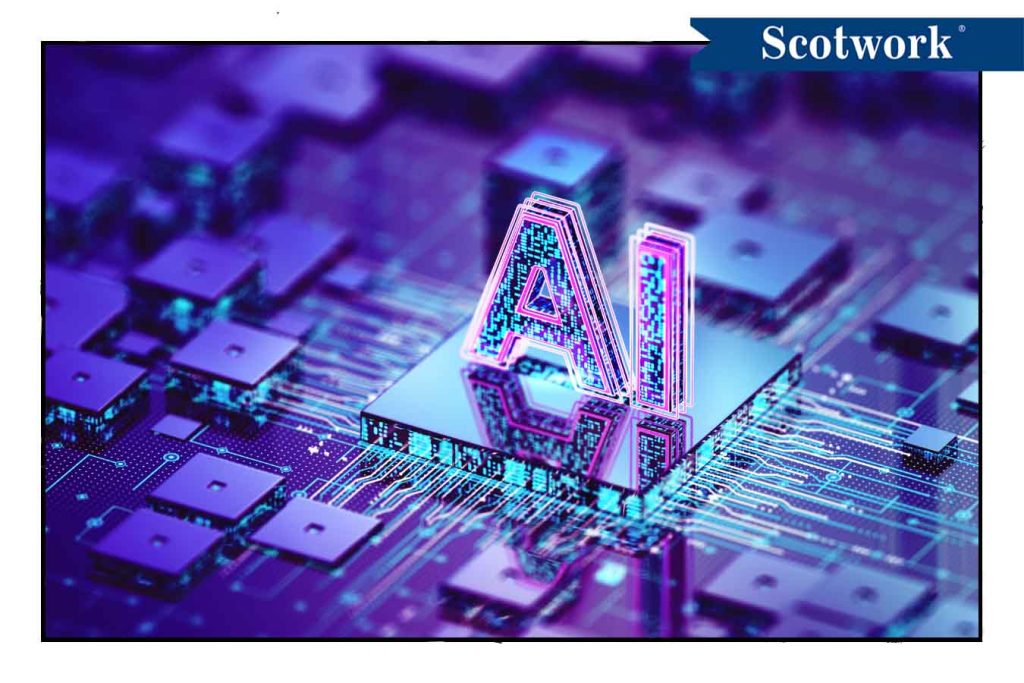
When we decided to host a webinar on using AI in negotiations, we knew that nearly everyone in our audience was already experimenting with it. We also knew that very few people felt confident that they were using it safely or in a way that actually improved results.
That’s why having Jacob Zweig, co-founder of Strong Analytics, join us was so valuable (click here to view the webinar). Jacob brought a practical perspective that cut through the hype and fear surrounding the technology.
Most organizations are still figuring out how to get real value from AI. Those seeing meaningful ROI aren’t using it to replace human judgment. They’re using it to augment thinking, sharpen preparation, and improve decision quality. For negotiators, that distinction matters.
Where AI Actually Helps Negotiators
One of the clearest takeaways from the webinar was this: AI is at its best before a negotiation begins.
Used properly, AI can be a powerful preparation tool. It can help negotiators research, explore alternative perspectives, and surface blind spots a negotiator might miss. However, it cannot replace judgment, experience, or accountability at the table. Negotiation still requires specialized skills like reading the room, interpreting signals, and making real-time decisions. AI should never be mistaken for a decision-maker itself.
A helpful mental model Jacob shared was to think of AI as a very smart research assistant who’s eager to help, works quickly, and occasionally makes things up. Which leads directly to one of the most important cautions . . .
AI Can Be Confidently Wrong
AI systems don’t know when they don’t know. They’re designed to produce plausible answers, even when their information is incomplete or incorrect. It’s called an AI hallucination, and negotiators must anticipate this possibility.
The key is to give AI permission to say, “I don’t know.” Ask for sources when factual claims are involved. Remember that vague prompts produce vague answers. Verify anything that matters, especially statistics or claims you plan to rely on. And iterate: Your first prompt is rarely your best one.
In practice, this is how experienced negotiators already work. We test assumptions, ask follow-up questions, and validate information before acting on it.
Addressing Data and Privacy Fears
Security and data control depend heavily on whether you’re using a paid, enterprise-grade AI solution or a free consumer version.
Typically, enterprise- and business-tier tools don’t use inputs to train models and include stronger contractual protections and features. They’re built for professional environments where confidentiality matters. (FYI: Our AI-enhanced Preparation Tool falls into this category.)
Free consumer tools are excellent for experimentation and learning, but they may retain user data and, in some cases, use it for model training. That doesn’t mean everything you enter becomes public, but you should be cautious about what you share.
Professionals should use company-approved, enterprise-grade tools, understand the data policies of the platforms they use, and avoid uploading highly sensitive information unless they’re confident about the protections in place. Also, they should be mindful of shadow AI: when free tools are used outside approved systems, creating exposure.
The Bottom Line for Negotiators
The biggest mistake negotiators can make with AI is expecting either too much or too little from it.
The organizations getting this right are integrating AI so that it becomes a force multiplier that helps negotiators think more clearly, prepare more thoroughly, and enter discussions better equipped to make sound decisions. Used that way, it becomes exactly what negotiators need it to be: a powerful preparation tool firmly in service of human decision-making.
Negotiation Training and Consulting to Help You Leverage AI in Your Negotiations.
AI is at its best before a negotiation begins. Our AI-enhanced Preparation Tool can help. Rely on Scotwork’s cutting-edge expertise to help you get the most out of AI in your negotiations.