
I was at a funeral several weeks ago, and I found myself experiencing and observing a variety of emotions — grief, obviously, among them. But as I looked around, I witnessed another emotion that I hadn’t expected. It’s an emotion that I’ve seen frequently in negotiations: tension.
During the visitation, someone made a joke, and people laughed. Not because it was particularly funny, but because tension needed to be released.
On the flight back, I kept thinking that people struggle with tension more than they realize, and they don’t consciously choose how to respond when it arises. Their reflexive reaction is intended to reduce discomfort.
Here are 5 common reflexive responses to discomfort at the negotiating table. Recognizing them is important because they may not be serving your deal.
- Redirect: When an uncomfortable moment occurs, and a negotiator moves to an easier topic.
- Avoid: When we take the sting out of a complex issue by making concessions.
- Delay: When we kick the can down the road, doing nothing to address the awkward issue.
- Push: When we force a resolution, which may not result in a deal that everyone can support.
- Acquiesce: When we give in just to move forward.
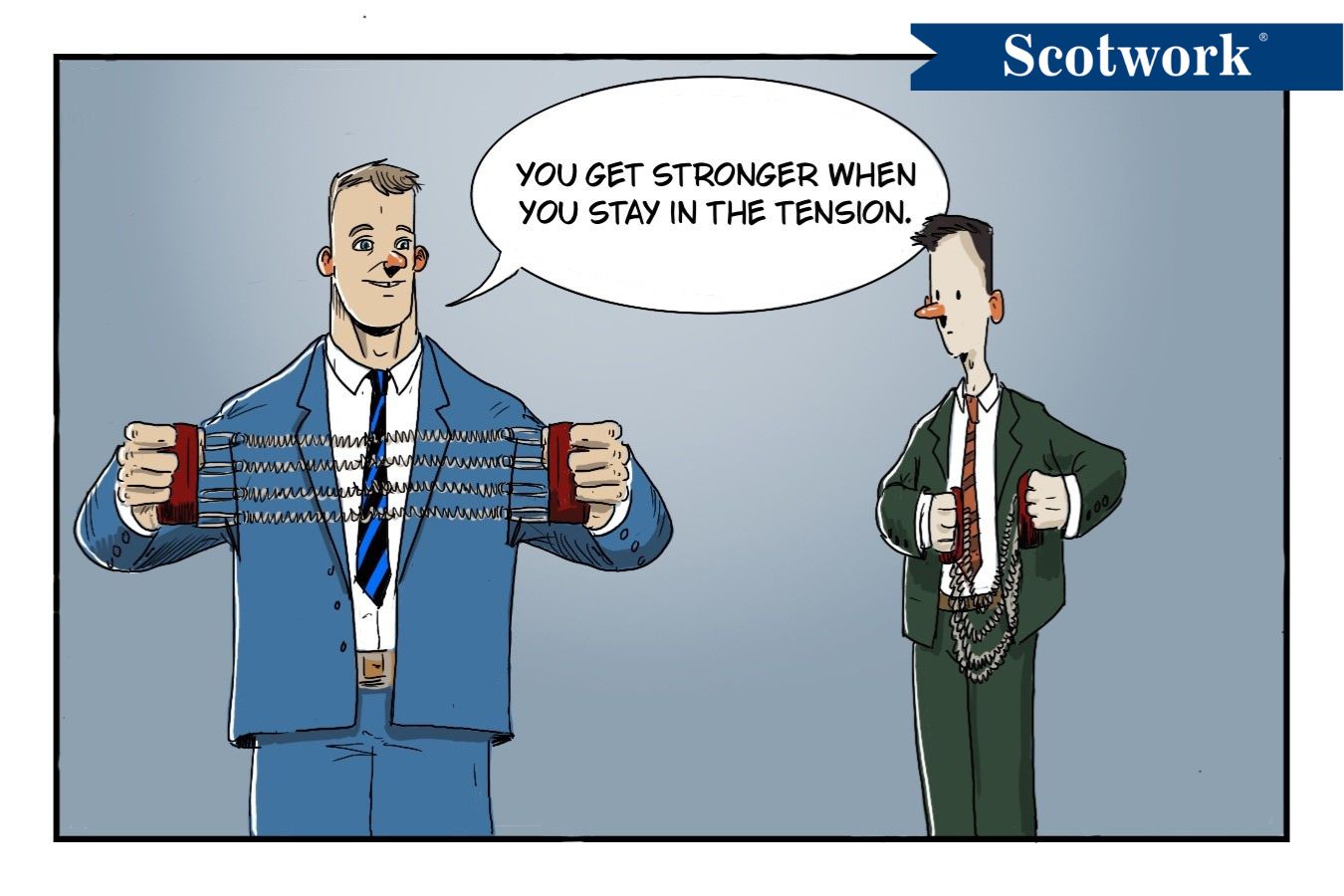
All of these techniques create relief in the moment, but they often come at the cost of strategic negotiation. Skilled negotiators stay in the tension. They work through discomfort long enough to probe for valuable information, find a shared position, and reach a thoughtful decision that meets all stakeholders’ needs.
The ability to deal with discomfort comes largely from preparation. Specifically, strong negotiators are comfortable with silence. They continue to ask questions even when tension is high. They rehearse how to open with clarity while planning their concessions and what they need in return.
When handled correctly, tension doesn’t have to be a problem in negotiation. It can simply be part of the process.