Written by
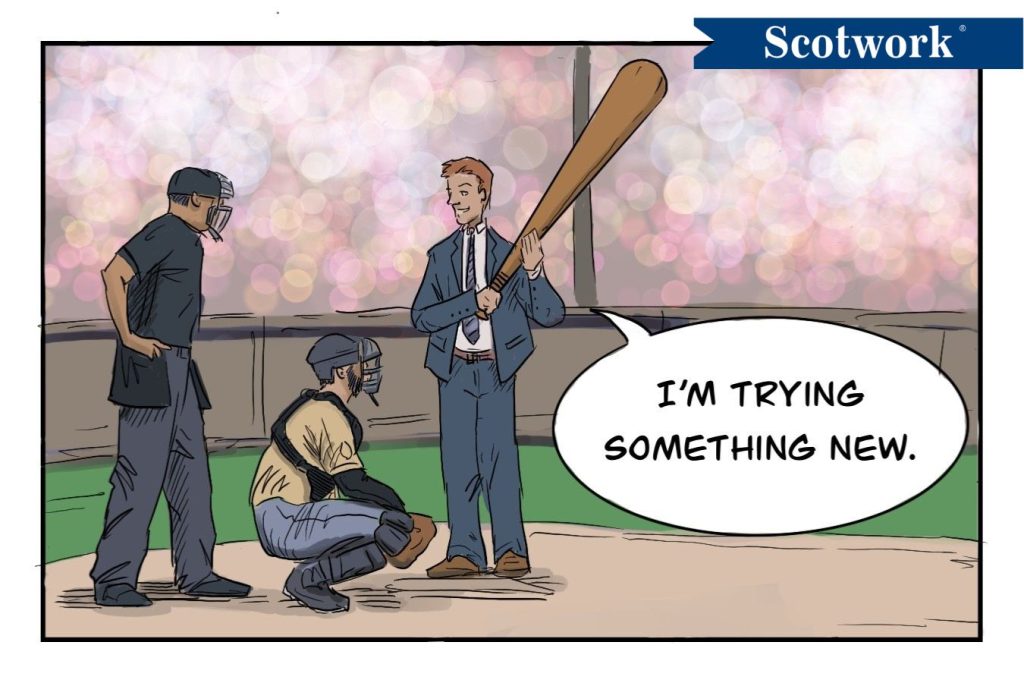
Every baseball fan starts the season with hope. Every team has a path to the World Series. There’s something almost irrational about it, and that’s part of the fun.
Then the season begins.
A key player gets injured. A rookie turns out to be better than expected. A team that looked unbeatable in April can’t buy a win in June, while another one gets hot out of nowhere. Slowly, hope starts to shift from “Let’s win it all!” to “Let’s win the division” to “Let’s stay in the race” to “Can we get through this stretch without another injury?”
The goal shifts. It adapts to reality. Negotiations follow the same pattern.
We walk in with a clear idea of what we want. We’ve thought it through and built a plan around it. Then the other side shows up: New information appears, constraints emerge, priorities shift. We could end up agreeing to deals we never intended to make. The question isn’t whether things change — they always do. The difference is how we respond.
Start ambitiously. Recalibrate deliberately.
Opening Day optimism is useful because you need a target. Imagine walking into a negotiation with no idea of what you’re trying to achieve. Without aim, you end up playing the other side’s game instead of your own.
However, skilled negotiators understand that rigidly holding onto their original goal in the face of change can become a liability. They ask themselves, “Is my target still realistic based on what we now know?” They recalibrate as the conversation unfolds, but they do so deliberately, not emotionally. That’s staying in the game.
Adjust your approach before your position.
When a baseball team loses a star player, they adjust how they play. They might rely more on defense, manufacture runs differently, or simply play a little smarter.
Too many negotiators start conceding when they hear new constraints. The other side says, “We don’t have the budget,” and the conversation shifts straight to price. That’s the equivalent of giving up runs without throwing another pitch.
Better negotiators ask different questions, test assumptions, and reframe the value of what’s on the table. “We don’t have the budget right now” might mean there’s flexibility on timing. “That’s more than we expected” might mean scope — not price — needs a closer look. They explore different ways to structure the deal before making concessions. Only after they’ve worked those angles do they consider changing their position. And then, they often don’t need to concede as much.
Focus on the hit, not the home run.
Baseball people call it “small ball”: move the runner, take the walk, make contact. It’s not glamorous, but it wins games. Championships are built on the execution of small things done well, over and over, across a long season.
Negotiation works the same way: What moves deals forward is a well-timed question that uncovers new information, a signal that builds enough trust to unlock the next step, a repackage that makes the deal feel more workable for both sides. This keeps the at-bat alive until the right pitch comes along.
By the time October rolls around, the teams still playing are those that adapted best along the way. The same is true in negotiation. The original plan isn’t the script. Know what you’re trying to achieve, stay flexible about how you get there, and keep working the count.
Play ball!
Negotiation Training and Consulting to Help You Adapt to Change.
In negotiations, change is inevitable. It’s how you adapt to change that determines your outcomes. Rely on Scotwork’s expertise to help you stay in the game and get the most out of your deals.