Written by
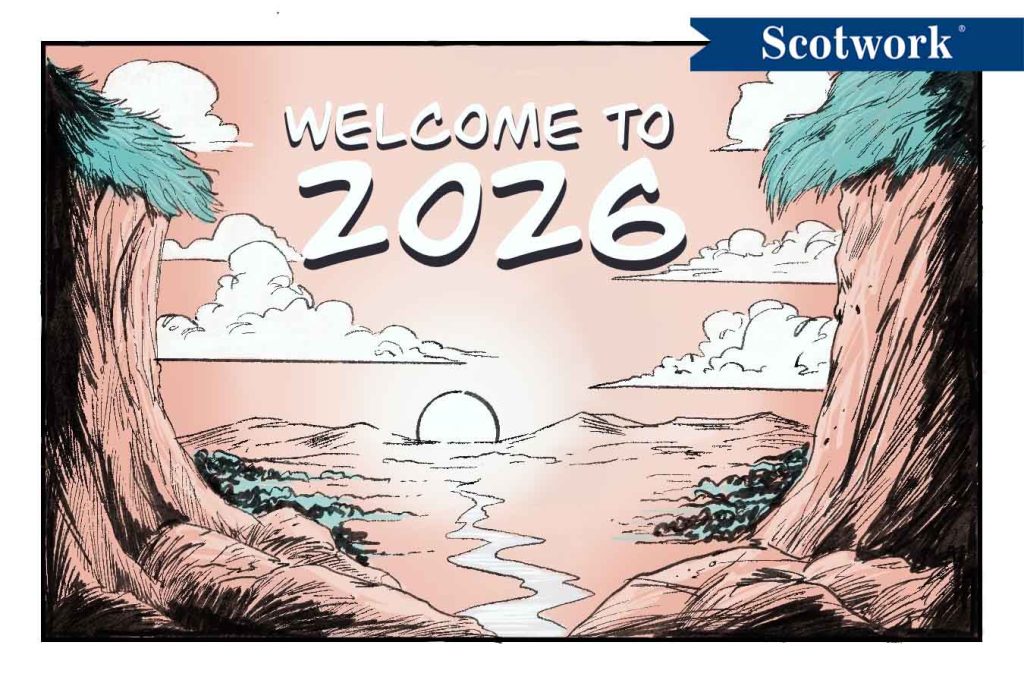
Welcome to the New Year!
I’ve spoken with a lot of people who are excited about 2026 mostly because . . . it’s not 2025.
Looking back, 2025 was a turbulent year for many negotiators. Uncertainty — tariffs, government shutdowns, shifting inflation expectations, evolving work environments, the rapid rise of AI, and other disruptors — shaped countless commercial conversations. For many businesses, that uncertainty led to delayed decisions, postponed investments, and a more risk-averse posture.
However, the challenges of 2025 could very well create meaningful opportunities in 2026.
What I expect negotiators to face in 2026 . . .
- A Greater Sense of Urgency
When decisions are delayed, they’re often followed by a period of rapid movement. Negotiators will likely be under pressure to resolve their deals quickly. Urgency isn’t inherently bad, but when negotiators are unprepared or overly outcome-focused, they can make unnecessary concessions or agree to weaker terms. - Investments Will Be Opportunistic
External financial factors will continue to influence investment decisions. Inflation, GDP growth, Federal Reserve policy, and unemployment will shape what businesses pursue and what they avoid. Negotiators who get the best results in this environment won’t just be focused on their deal; they’ll take time to understand what’s shaping the other party’s decision-making. - More AI Involvement and More “Confidence” in Analysis
Dealmakers will increasingly use AI-generated analysis to reduce ambiguity and strengthen their positions. But as with any analysis, the output is only as good as the data behind it, and AI can create a false sense of certainty. In 2026, the dialog at the negotiating table may not sound like “my view vs. yours,” but rather “My view is right because the data said so.” Negotiators will need to manage not only information, but also the confidence people place in that information. - Internal Negotiations Will Become a Bigger Differentiator
More dealmakers are saying their toughest negotiation isn’t external — it’s internal. Misalignment, unclear authority, and slow decision-making create delays and weaken negotiating credibility. In 2026, the teams that build internal alignment early, before they even sit down with the external party, will enter negotiations with greater clarity and leverage for more efficient dealmaking. - Under Pressure, Strong Relationships Will Be a Differentiator
As urgency rises, many negotiators will default to short-term “win the moment” behavior, pushing for immediate outcomes or using pressure as a substitute for persuasion. That may deliver immediate concessions, but it often comes at the cost of trust, flexibility, and momentum. In a world where agreements frequently need to be revisited, the ability to negotiate firmly while preserving relationships will create long-term advantage.
In 2026, the best negotiators will be well-prepared and highly skilled, and the strongest organizations will make negotiation a pillar of business strategy. That means investing not only in capability, but also in the clarity, resources, and processes that allow teams to execute consistently. For many organizations, that begins with resolving internal alignment issues so dealmakers are empowered, not constrained, at the negotiating table.
I’m optimistic about what’s possible in 2026, but that doesn’t mean negotiations will get easier. If anything, they’ll be more complex and nuanced than we’ve seen in recent history. But complexity creates opportunity, especially for those willing to adapt and negotiate with intention.
If you’d like to talk about what negotiation readiness could look like for your organization this year — whether that means upskilling your team, supporting critical deals, strengthening internal alignment, or documenting your negotiation process — we’d welcome the conversation.
In the meantime, I wish you all the best this year. May your agreements create value, move efficiently, and strengthen relationships internally and externally.
Cheers,
Brian Buck
CEO, Scotwork North America