
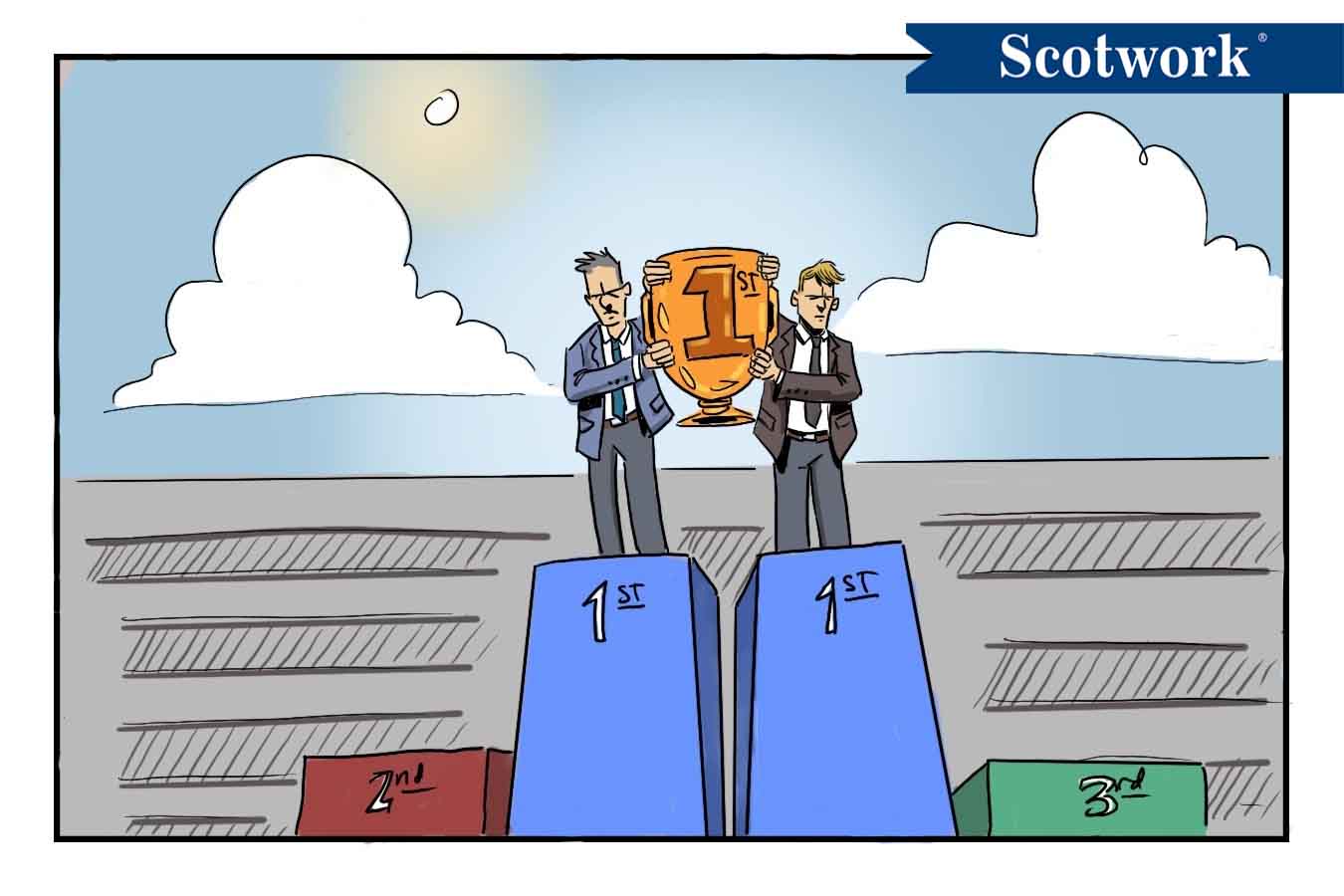
When people imagine a competitive negotiation, they often envision a high-stakes standoff: two sides digging in, guarding information, and doing whatever they can to win. The idea of a win-win outcome seems unrealistic, almost naive. If everyone is playing hardball, isn’t someone destined to lose?
Not necessarily.
Win-wins aren’t impossible in competitive environments; they just require more skill to create. Competition isn’t reduced, but professionalism must be elevated. In fact, the more competitive the negotiation, the more important it becomes to be prepared, strategic, and emotionally steady.
In a collaborative negotiation, parties ask questions, share information more freely, and explore options together. There’s openness and, sometimes, optimism. Competitive negotiations are marked by protective stakeholders: Suspicion replaces trust, creativity gives way to defensiveness, parties argue positional points rather than explore interests.
This means value has to be engineered rather than discovered.
Superior Preparation Becomes Your Advantage
You can’t wing it through a competitive negotiation. The environment is too unforgiving. Skilled negotiators prepare:
- clear objectives and priorities
- thoughtful alternatives and walk-away points
- a plan for information disclosure and discovery
- a roadmap for concessions and value capture
Preparation creates clarity, allowing you to resist pressure tactics and make decisions that align with your objectives — not your emotions.
Emotional Control Is a Professional Skill
Competition is emotional. People can feel frustrated by the other side’s tactics, anxious about internal expectations, or fearful of losing the deal.
The moment emotion takes over, skill takes a back seat. You stop listening. You stop exploring. You give away more than you intended or dig in harder than you should.
Skilled negotiators aren’t immune to emotion, but they manage it. They stay present. They stay curious. They keep asking questions even when the conversation gets tense. They follow their plan even when the other side tries to provoke a reaction.
Strategy Works in Competitive Settings
Emotional discipline isn’t soft — it’s strategic. It’s what allows you to outperform someone who’s just trying to intimidate their way to a better deal. You can negotiate firmly and ambitiously while still creating value. This is when strategy and technique are your advantage:
- Make conditional proposals that address all issues
- Trade instead of conceding
- Keep multiple variables in play to protect value
- Signal flexibility without signaling weakness
These behaviors demonstrate discipline, not bravado.
A Neutral Perspective Helps You Stay Grounded
Someone not entangled in the emotions of the deal can help you stress-test your plan, challenge your assumptions, and keep you centered. This isn’t about outsourcing responsibility. Even skilled negotiators benefit from someone who can help them stay aligned with their strategy when stakes are high.
Win-Win Outcomes Are Earned
Competitive negotiations can absolutely end with deals both sides support. In fact, some of the strongest long-term agreements I’ve seen have come from negotiations where both parties fought hard but behaved professionally.
Negotiation Training and Consulting to Help You Earn a Win-Win Under Any Circumstance.
Win-wins aren’t impossible in competitive environments; they just require more skill to create. Rely on Scotwork’s 50 years of expertise to help you get a win-win in even your most challenging negotiations.