
Within the span of two weeks, I had nearly identical conversations with two leaders — one in sourcing, the other in sales. Different industries, different teams, different problems on the surface. But the complaint was the same: “My people are using AI, but I’m spending more time cleaning up their work than I would’ve if they’d just done it themselves.”
Neither leader had a problem with AI. They weren’t Luddites or nostalgic for the days of manually formatting PowerPoint slides at midnight. Their frustration was that their teams had stopped thinking. The team members were using AI as a substitute for judgment rather than as a tool to sharpen it.
Meanwhile, both teams had people producing genuinely excellent work faster and more polished than before. They were treating AI like a smart assistant. They gave it direction, reviewed the output, pushed back on it, edited it, and made it their own. They were still doing the job. AI was just helping them do it better.
I think about this a lot in the context of negotiation, because the dynamic is almost identical, and we see it play out in real time with our own AI-powered Preparation Tool.
The tool helps negotiators do the upfront work: building opening statements, identifying variables, stress-testing the completeness of their prep. Some negotiators treat it like a vending machine: They put in a few inputs and take whatever comes out, without giving it another thought. It looks like preparation, but as soon as they’re challenged by the other side, those negotiators are lost.
The best negotiators use the Preparation Tool completely differently. They engage with it: They push back on the variables it surfaces and refine the opening statement until it actually sounds like them. They use it to pressure-test their thinking, not replace it. So, when the other side opens with something unexpected, those negotiators aren’t thrown. They’ve done the thinking, and AI just helped them do it faster and more completely.
The irony is that the people using AI most effectively aren’t working less. They’re working differently. They’re investing their cognitive energy where it matters most and offloading the stuff that doesn’t require their best thinking. That’s not laziness. That’s leverage. There’s a meaningful difference between the two, and right now, that difference is showing up clearly on your team’s work product.
Here are 3 actions that leaders can take to encourage more of the good and less of the mess . . .
- Model the behavior. Talk openly about how you use AI to draft, then edit, then refine. Your team needs a picture of what “good” looks like. They’re watching you whether you realize it or not.
- Ask about process, not just output. When reviewing work, ask, “How did you get here? What did you change? What did you push back on?” This signals that the thinking, not just the deliverable, matters.
- Reframe what “using AI well” actually means. It’s not about volume of output. It’s about quality of thinking. The goal is to produce better work — not more work that someone else has to clean up.
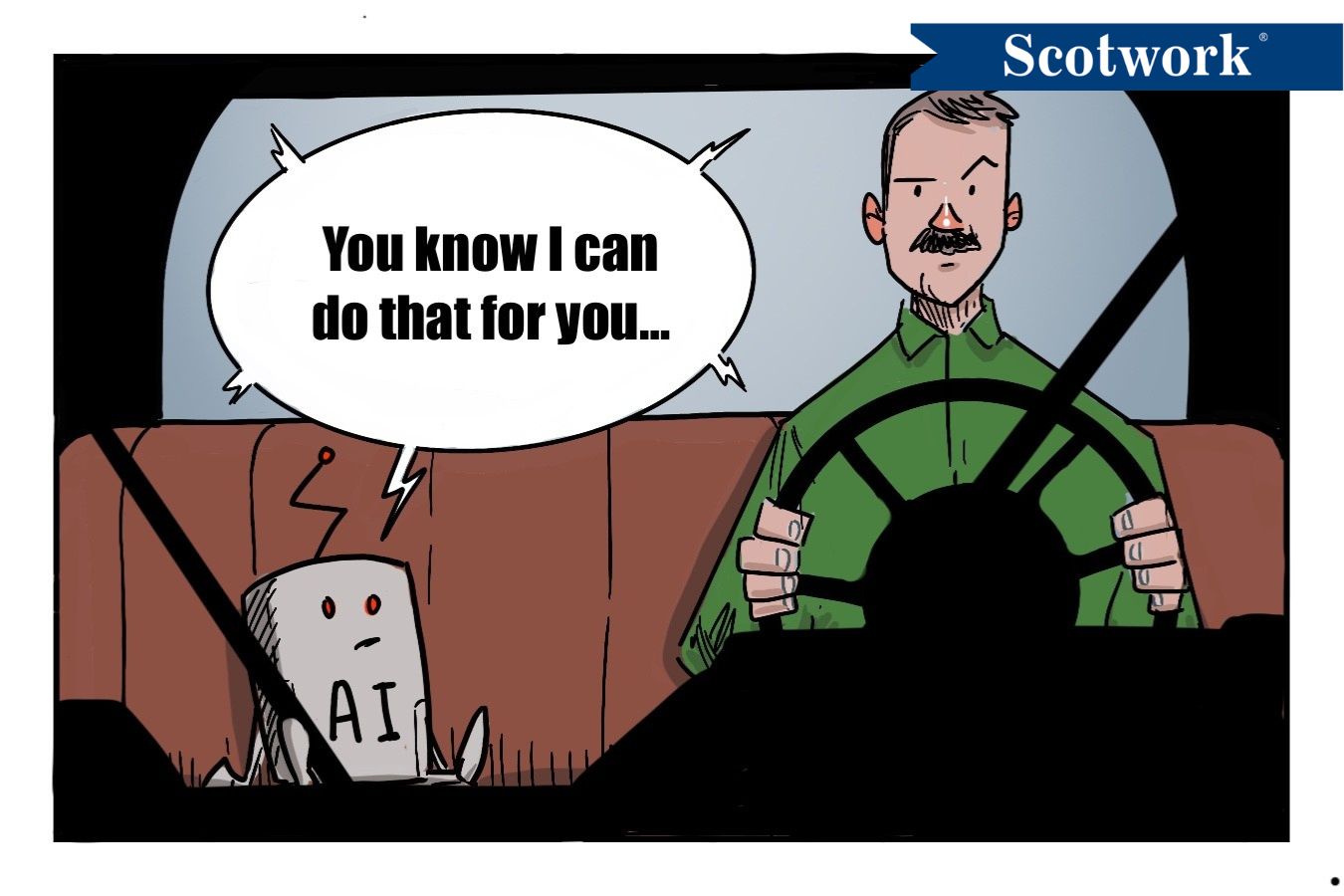
Your team’s relationship with AI is going to tell you a lot about how they approach their work in general. Those team members using it well were probably already strong performers who now have a serious advantage. The question isn’t whether your team is using AI. It’s whether they’re still in the driver’s seat.
Negotiation Training and Consulting to Help You Use AI Effectively in Your Deals.
Rely on Scotwork’s expertise to help your team use AI effectively in their negotiations.