When the Deal Is About You
 Written by
Brian Buck
| 10/16/2026
Written by
Brian Buck
| 10/16/2026
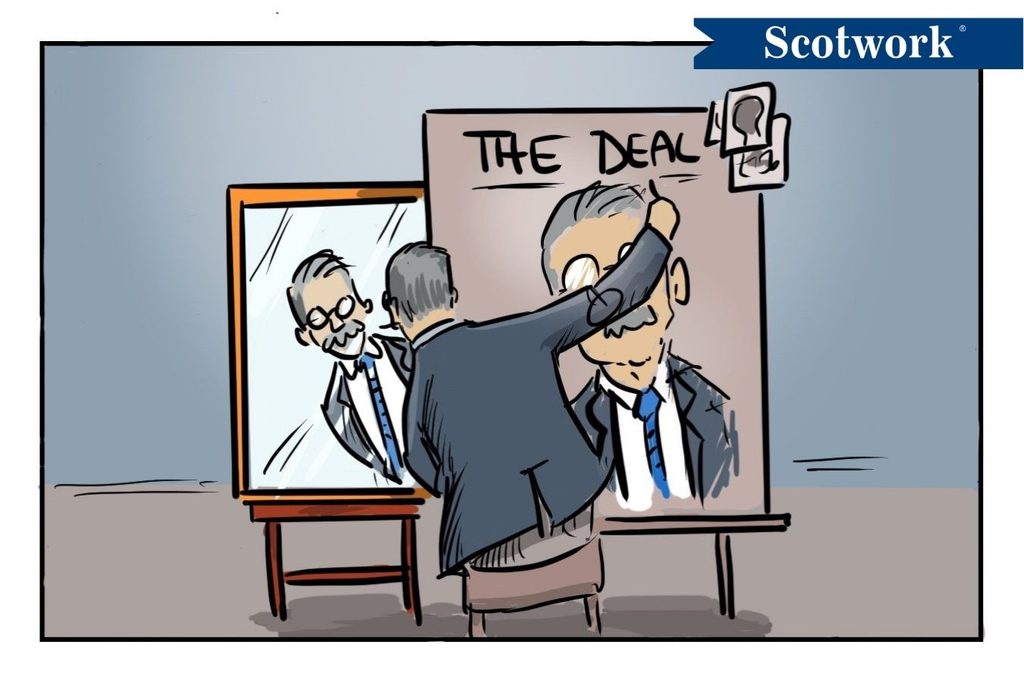
Recently, I helped a brilliant friend negotiate a job offer. He’s literally a rocket scientist. But brilliance doesn’t make him immune to the emotions that come with a negotiation this personal.
He was excited about the opportunity, but when the offer came in, it wasn’t what he’d hoped for. In fairness, the employer had been upfront: The role was designed for someone with less experience, and he was welcome to help shape it to better fit his qualifications. That’s when I got the call.
In a negotiation like this, it’s easy to fixate on the big-ticket item: salary. But as in any commercial deal, price isn’t the only variable. So, our first task was to look past the obvious and figure out what would make this job genuinely exciting for him. That was the fun part. The hard part was still to come.
Once we had his list of requirements, I asked a question that was surprisingly tough for him to answer: What would make you walk away? It was tough because this deal was about him. It wasn’t just a statement about his career — it would shape his family, his finances, and his future. Every aspect of the answer carried weight.
Our judgment gets skewed when we’re emotionally invested in the outcome. We blow some things out of proportion and look right past others that need to be addressed. We give ground unnecessarily, miss chances to create value, and accept deals we shouldn’t.
Now, I’m not suggesting you remove emotion from negotiation. I’d argue it’s required to be a good negotiator. Emotion is what lets us build empathy, defuse tension, and bring enough enthusiasm to move a deal forward.
The trick is channeling your emotion, especially when you’re personally invested. When a deal impacts your reputation or compensation, here are 5 ways to keep emotion from making the decision for you . . .
1. Borrow someone else’s objectivity. Talk to someone who has no stake in the outcome and get their read on the situation. They’ll see what you can’t, and they’ll keep you grounded when you start to drift.
2. Ask before you react. When something doesn’t make sense, or doesn’t match what you think should happen, the emotional response comes fast. Take a beat and ask for clarification.
3. Possibilities before absolutes. Before you dig your heels in, ask yourself, What would I need to say yes to this? That one question shifts you from defending a position to exploring what’s possible.
4. Know what matters most. Rank your issues. When you know what matters most to you, and how each item stacks up against the others, you won’t burn energy fighting over the inconsequential.
5. Pressure-test your walk-away. When your livelihood feels like it’s on the line, knowing when to walk away is your lifeline. But don’t just set it — test it. Ask yourself, Will I be happy with this deal a year from now? Stepping into the future and looking back is one of the best reality checks.
In the end, my friend landed a great job, and together we crafted a deal that will take care of him and his family for the foreseeable future. It was an emotional roller coaster. He told me that if he’d done it on his own, he would’ve either settled for less or lost the job entirely.
My role, to be objective, was much easier than his. After all, a negotiation doesn’t have to be a solo endeavor.
Negotiation Training and Consulting to Get Your Best Deal, Even When It’s About You.
Emotional investment in your deal may be unavoidable, but it creates blind spots. Rely on Scotwork’s expertise for a clear perspective on your negotiation.
Get in touch with one of our experts today.
FAQ
Should I negotiate more than salary in a job offer?
Yes. Salary is the most visible variable, but rarely the only one. Scope, title, flexibility, and development can contribute equally to your happiness in the role, and they’re often easier for an employer to move on.
How do I figure out my walk-away point?
Start by asking what would make the deal not worth taking, then test it by imagining yourself a year from now. If you’d regret the deal, you’ve found your line.
Who should I ask for an outside opinion?
Someone you trust who has no stake in the outcome: a mentor, a former colleague, or a friend with negotiation experience. Ideally not a spouse or family member, since they’re invested too.
How do I keep emotion from taking over during the negotiation itself?
Slow down. Ask questions before reacting, and keep your priorities written down so you can check every proposal against what actually matters to you.
Similar articles
By Brian Buck | 09.10.26
Who Goes First?
Last week, I was talking with a friend about dealing with dealers when buying a…
By Brian Buck | 02.10.26
The Deal After the Deal
Last week, roughly 16,000 Boeing engineers and technical workers ratified a new four-year contract, days…

By Brian Buck | 11.09.26
Your Renewal Just Got Flagged
Recently, I worked with a large sales team that showed me something they’d built: an…