Top 5 Negotiation Issues of the Year . . . So Far
 Written by
Brian Buck
| 06/26/2026
Written by
Brian Buck
| 06/26/2026
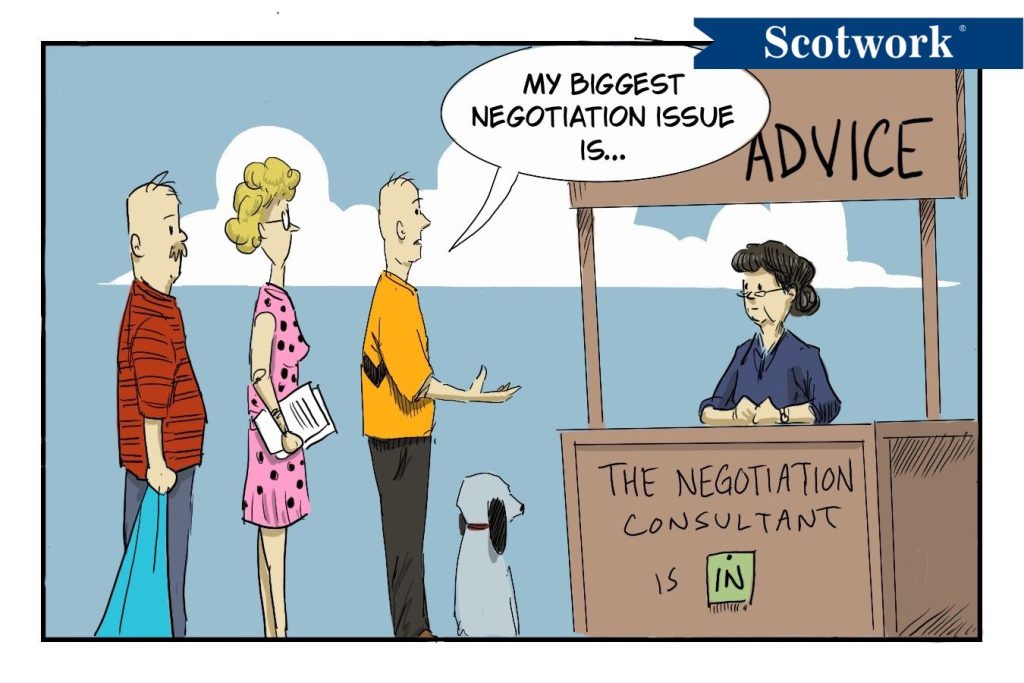
Halfway through 2026, one thing is clear: The negotiating environment isn’t getting any easier. Markets are shifting, internal pressures are mounting, and the other side seems increasingly sophisticated. Yet core challenges faced by negotiators are strikingly consistent. We know this because we’re in the trenches with them every day — on live deals, in skills development, at the moments when things don’t go as planned. Here’s what we’re hearing most frequently.
1) “I know we need them more than they need us, and they know it too.”
Power anxiety is the most common issue we hear about, but it almost always comes with a misconception baked in. Most people believe their power is predetermined by the size of the other party, the number of alternatives available, or how badly they need the deal. They don’t understand that power is largely constructed, not inherited. Deadlines, relationships, information, and creative use of variables can shift the power balance. When negotiators take a close look at what the other side needs from a deal, the dynamic is rarely as lopsided as they feared.
2) “The hardest part of getting deals done is getting all my internal stakeholders aligned before I even sit down with the other side.”
This one has gotten louder in recent years, which makes sense: Organizations are more complex, approval chains are longer, and the number of people who can say no to a deal has grown. Still, we find that most people treat internal alignment as perfunctory when it actually requires its own preparation and thoughtful negotiation. When negotiators equip their stakeholders with a perspective, strategy, and clear sense of the support they’ll need, they have a much easier time with alignment than do those who’re simply trying to check a box.
3) “I don’t want to damage the relationship, so I end up saying yes to things I shouldn’t — and then I kick myself afterward.”
This might be the most honest thing we hear. Good negotiators know that relationships matter. They also know that making concessions isn’t how you protect those relationships. Giving without getting establishes a poor precedent. Over time, it erodes both deal value and respect for the dealmaker. Negotiators who make the greatest gains realize that trading, not giving, is what sustains long-term relationships because it keeps both sides invested in the outcome.
4) “I negotiate the same types of deals so often, I just figure it out as I go. But I keep walking away thinking there had to be a better way to handle that.”
There’s a widespread belief that, because people tend to work with similar counterparts and situations, preparation is unnecessary. Negotiators who perform best aren’t always the most gifted — they’re the most prepared. They’ve thought through the other side’s priorities, built out their variables, and know what they’re willing to trade. When things go sideways, they have options. Winging it only feels like flexibility. Typically, it’s just unstructured concession-making under pressure.
5) “When the other side gets aggressive, I shut down or give in just to bring the temperature down. Neither approach is working for me.”
At the table, aggressive behavior is almost always intentional, and it works only if the other side responds to it. Negotiators who struggle most with aggression tend to experience it as a personal attack, which triggers either withdrawal or appeasement. Neither response serves them well. What does? Recognizing the behavior for what it is, refusing to match their emotional register, and staying anchored to the issues. Instead of out-aggressing an aggressive negotiator, don’t hand them what they’re after: an emotional reaction followed by an emotionally driven concession.
The challenges negotiators tell us they’re facing aren’t specific to industry, title, or years spent at the table. They show up everywhere, for everyone, because the current negotiating environment is that demanding. When you’re faced with any of these challenges, let us know. It’s a conversation worth having, and we’re here for it.
Negotiation Training and Consulting to Manage any Deal Challenge.
Rely on Scotwork’s expertise to help your team get their best outcomes regardless of whether they’re facing a frequent challenge or something more unusual.
Get in touch with one of our experts today.
Similar articles

By Brian Buck | 11.09.26
Your Renewal Just Got Flagged
Recently, I worked with a large sales team that showed me something they’d built: an…

By Brian Buck | 28.08.26
Dolly Parton and the Power of Saying No in Negotiation
This past week, we lost Dolly Parton. I have strong memories of riding around in…
By Trevor Murphy | 31.07.26
Driving a Good Deal to the Finish Line
“I have a great idea.” In a marketing agency, this statement comes up in many…